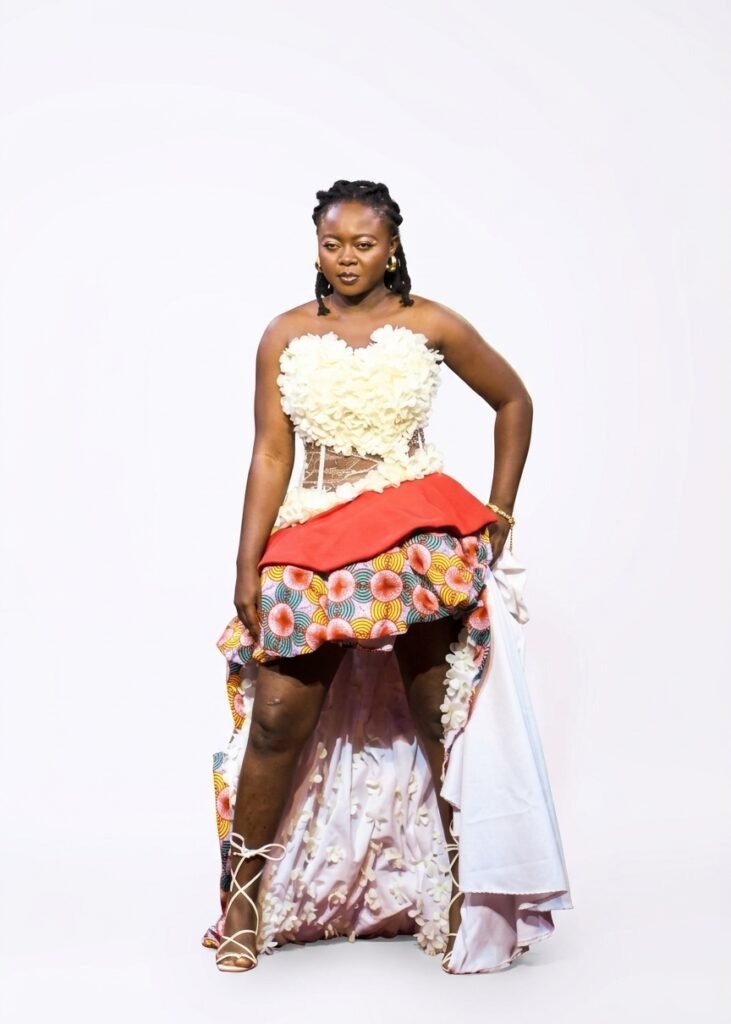
Mr. Thomas Y. Bumansa, Vice President of the Ghana National Tailors and Dressmakers Association (GNTDA), is calling on the government to pay greater attention to Ghana’s fashion and apprenticeship industry, warning that the sector could face serious challenges if young people continue to move away from vocational trades and turn their attention to illegal small-scale mining, popularly known as galamsey.
Mr. Bumansa believes the future of Ghana’s fashion industry depends heavily on the ability of the country to attract, train and retain young people in the trade.
Concern Over the Future of Fashion Apprenticeship
According to Mr. Bumansa, many young people are looking for ways to make quick money, while industries such as fashion require patience, practical training and years of skill development.
He is concerned that if adequate attention and support are not given to fashion apprenticeship, some young people who could have become professional tailors, dressmakers, designers and fashion entrepreneurs may choose other activities.
His warning comes at a time when apprenticeship remains an important pathway for young people to acquire practical skills. Ghana’s National Apprenticeship Programme also identifies fashion and textile trades among its priority areas and combines classroom learning with hands-on workplace training.
“We Must Protect the Fashion Industry”
Mr. Bumansa is therefore calling for stronger government support for the fashion industry, particularly programmes that make fashion apprenticeship attractive and sustainable for young people.
He believes that government intervention should go beyond training and also address what happens to young people after they complete their apprenticeship.
For many apprentices, completing three or four years of training is only the beginning. They still need equipment, capital, workspace, and business opportunities to establish themselves.
Without such support, Mr. Bumansa fears that some trained young people may abandon the profession in search of alternative sources of income.
Keeping Young People in the Fashion Industry
The fashion industry provides opportunities for young people to develop practical skills and eventually become self-employed.
GNTDA’s own materials describe the association as having a large network of master craft persons who train young people in practical sewing skills.
Mr. Bumasna believes this training structure must be protected and strengthened so that young people who enter the profession can see a future in it.
He is calling for policies and programmes that can help young fashion professionals transition from apprenticeships into sustainable businesses.
From Apprentice to Fashion Entrepreneur
For Mr. Bumansa, the challenge is not simply getting young people into apprenticeship programmes. The bigger question is how to help them remain in the profession after training.
A young person may spend years learning tailoring or dressmaking, but without access to a sewing machine, materials, working space and startup capital, putting those skills into practice can be difficult.
The GNTDA Vice President therefore wants government and other stakeholders to consider comprehensive support for graduates.
Such support, he believes, could help transform trained apprentices into business owners and employers who can in turn train and employ other young people.
Government and Industry Must Work Together
Mr. Bumansa is calling for closer collaboration between government, GNTDA and other stakeholders in the fashion and garment sector.
He believes the association has an important role because its masters are directly involved in training young people and understand the challenges facing apprentices at the grassroots level.
Government support, combined with the experience and networks of the association, could help create a stronger pathway from apprenticeship training to employment and entrepreneurship.
A Warning About the Cost of Losing Young Talent
Mr. Bumansa’s concern is ultimately about Ghana’s future workforce.
When young people leave skilled trades without using the training they have received, the country risks losing part of the investment made in developing those skills.
He is therefore urging the government to treat fashion as an important economic and employment sector and to create conditions that encourage young people to remain in the profession.
The call is not only about protecting tailoring and dressmaking. It is also about encouraging young people to see vocational skills as a viable pathway to entrepreneurship, employment and long-term economic independence.
The Time to Support Fashion Is Now
Mr. Bumansa’s appeal places the future of Ghana’s fashion industry at the centre of a wider conversation about youth skills, employment and economic opportunity.
His message to government is clear: if Ghana wants to build a strong local fashion industry, young people must have a reason to stay, grow and build businesses within the sector.
Supporting apprentices during training and after graduation could help ensure that the skills they acquire are not lost and that Ghana continues to develop a strong generation of fashion professionals.
Have Your Say
What can government and the fashion industry do to make apprenticeship and fashion entrepreneurship more attractive to young people?
Should graduates receive startup capital, sewing machines, workspace, business training, or other forms of support after completing their apprenticeship?
Share your views and join the conversation on the future of Ghana’s fashion industry.
Ghana Vogue Event
Ghana Vogue Event will continue to highlight the concerns, proposals, and initiatives of Ghana’s fashion professionals as the industry seeks stronger opportunities for young people and a more sustainable future.
Leave a Reply