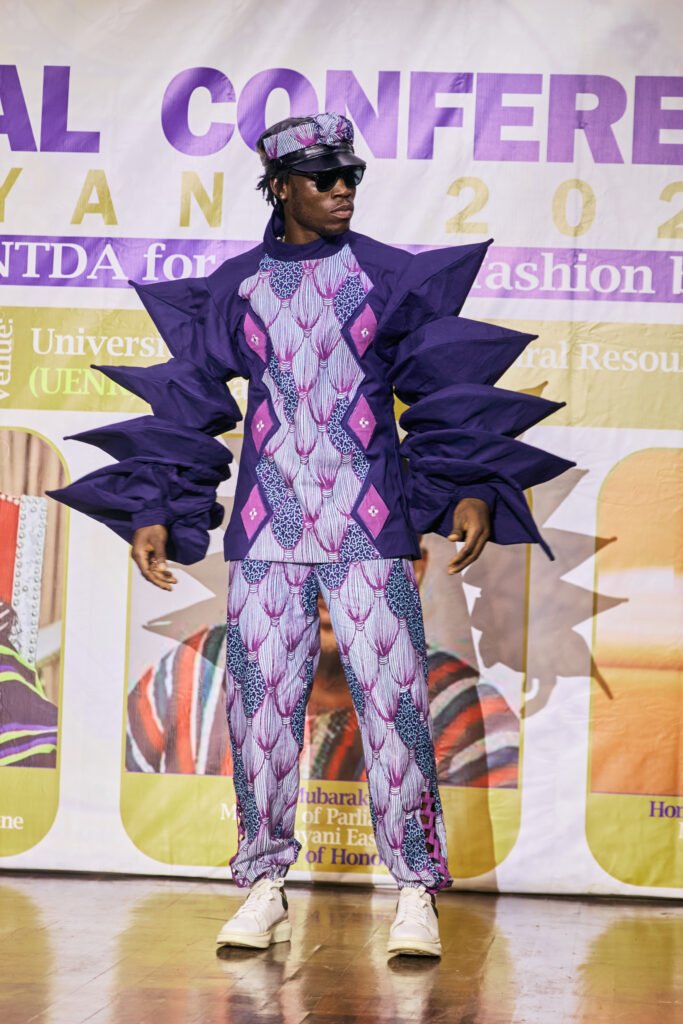
Mr. Thomas Y. Bumasa, Vice President of the National Tailors and Dressmakers Association, is calling on the government to partner with the association to establish fashion learning and support centres across Ghana’s 16 regions.
According to Mr. Thomas, one of the major challenges facing young people who complete apprenticeship training is what happens after graduation.
Many learners spend three or six years acquiring practical skills in tailoring, dressmaking and fashion design, but after completing their training, they may not have the financial resources, equipment or suitable place to establish their own businesses.
He believes stronger collaboration between government and the association could help address this gap and give more young fashion professionals an opportunity to remain in the industry.
Supporting Apprentices After Graduation
Apprenticeship training provides young people with practical skills that can become the foundation for a career or business.
However, completing training does not automatically provide a graduate with a sewing machine, workspace, materials, capital or other resources needed to begin operating independently.
Mr. Bumasa says this situation can make the transition from apprenticeship to entrepreneurship difficult for many graduates.
Some young people who have successfully completed their training may eventually move into other businesses because they cannot afford to establish themselves in the fashion industry.
His concern is that this can result in trained young people leaving the profession despite having spent several years developing valuable fashion skills.

A Call for Learning Centres Across the 16 Regions
Mr. Bomansan is therefore calling for a partnership between the government and the National Tailors and Dressmakers Association to establish learning centres across Ghana’s 16 regions.
The proposed centres could provide spaces where learners and newly trained fashion professionals can continue developing their skills and receive support as they transition into professional practice.
The association already has members across the regions, making a regional approach important to the proposal.
Rather than concentrating opportunities in only one location, regional learning centres could potentially make training, mentorship and business support more accessible to young people in different parts of Ghana.
Keeping Trained Young People in the Fashion Industry
One of the concerns raised by Mr. Bomansan is the loss of trained talent from the fashion industry.
After spending several years learning a trade, some apprentices may find themselves unable to start a business because of financial difficulties.
As a result, they may decide to pursue another form of business or employment.
For the fashion industry, retaining trained young professionals is important because these graduates represent the next generation of tailors, dressmakers, designers, garment producers and fashion entrepreneurs.
Providing a stronger transition from apprenticeship training to business could therefore help ensure that the skills acquired during training are put into productive use.

Government and Industry Collaboration
Mr. Bomansan’s appeal also highlights the importance of collaboration between government and industry associations in developing vocational and technical skills.
The National Tailors and Dressmakers Association has members working in different parts of the country, and a partnership with government could create opportunities to develop support systems that respond to the practical needs of apprentices and graduates.
Such collaboration could potentially focus on areas such as practical training, equipment access, mentorship, entrepreneurship, business development and continued skills development.
Creating Opportunities Beyond Graduation
For many apprentices, graduation should be the beginning of their professional journey rather than the end of their support.
A learner who completes three or six years of training may have the technical ability to produce garments but still need help understanding how to establish and manage a business.
Learning centres could therefore serve as spaces where young fashion professionals continue to receive guidance while developing their businesses.
Mr. Bomansa’s proposal is aimed at creating a system in which young people have opportunities to continue developing their skills and building careers after completing apprenticeship programmes.
Building the Future of Ghana’s Fashion Industry
Ghana’s fashion industry depends on skilled people at different levels, from apprentices and tailors to dressmakers, designers and entrepreneurs.
Supporting young people after apprenticeship training could contribute to the development of a stronger pool of skilled fashion professionals across the country.
Regional learning centres, if established through the proposed partnership, could also provide opportunities for knowledge sharing and continued professional development within local fashion communities.
For Mr. Bomansan, the key issue is ensuring that young people who have invested years in learning the fashion trade are not forced to abandon it simply because they lack the resources to begin.
A Call for Partnership
Mr. Thomas Y. Bomansan is calling on the government to work with the National Tailors and Dressmakers Association to explore ways of establishing learning centres across all 16 regions.
His appeal is centred on creating a stronger pathway from apprenticeship training to sustainable employment and entrepreneurship.
The proposed regional centres could become part of a broader effort to support young people, strengthen vocational training and retain skilled workers within Ghana’s fashion industry.
As more young people enter apprenticeship programmes, ensuring that they have opportunities after graduation will remain an important part of developing a sustainable fashion and garment sector.
Ghana Vogue Event
Ghana Vogue Event continues to highlight issues affecting Ghana’s fashion industry, particularly apprenticeship training, youth empowerment, entrepreneurship and opportunities for emerging fashion professionals.
Mr. Thomas Y. Bomansan’s call for government and industry partnership raises an important question about what happens after a young person completes their apprenticeship.
For apprentices who have spent three or six years learning the trade, access to the right support could help them move from training to business ownership and remain active contributors to Ghana’s growing fashion industry.
Leave a Reply