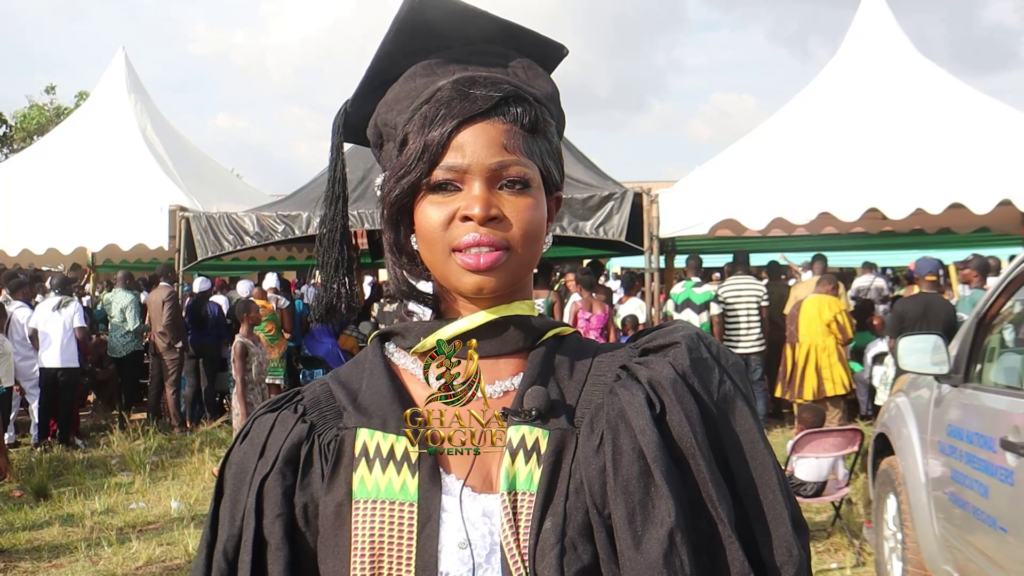
The Ghana National Tailors and Dressmakers Association (GNTDA) continues to strengthen engagement with its members at the grassroots level as stakeholders discuss regional alignment, trade standardization, examinations and TVET qualifications for fashion professionals across Ghana.
Engaging members at the grassroots level remains an important part of building a stronger and more organized fashion and garment industry. The GNTDA Ahafo Open Forum provided a platform for members to engage directly on issues affecting their trade and the development of the association.
During the forum, discussions focused on several areas considered important to the future of tailors and dressmakers, including regional alignment, trade standardization, practical examination protocols and the expansion of TVET qualifications for dressmakers and master tailors nationwide.
The platform also brought together leadership voices within the association, with participation from Mr. Abdul Aziz Ali, the Greater Accra Regional Chairman, alongside other members and stakeholders.

Strengthening the Association From the Grassroots
For a professional association with members across different regions, grassroots engagement provides an opportunity for leadership and practitioners to communicate directly about industry needs and organizational development.
The Ahafo Open Forum reflects an effort to maintain dialogue with members and ensure that important developments within the association reach practitioners at the local and regional levels.
Such engagement can also provide opportunities for members to raise concerns, understand new initiatives and participate in conversations about the future direction of their profession.
Focus on Trade Standardization
One of the key areas addressed during the forum was trade standardization.
Standardization can help create clearer expectations around professional practice and support the development of a more structured fashion and garment sector. For tailors and dressmakers, discussions around standards are particularly relevant as the industry continues to evolve and practitioners seek opportunities to improve their professional standing.
The forum also addressed practical examination protocols, an area that is important for learners and experienced practitioners pursuing recognized qualifications.
Expanding TVET Opportunities
Another significant area of discussion was the expansion of Technical and Vocational Education and Training (TVET) qualifications for dressmakers and master tailors across Ghana.
Expanding access to vocational qualifications can provide practitioners with additional pathways for professional development while helping strengthen the skills base of the fashion and garment industry.
For an industry that relies heavily on practical expertise, combining hands-on experience with recognized training and qualifications can contribute to the professional development of practitioners.
Building a More Structured Fashion Industry
The discussions at the GNTDA Ahafo Open Forum form part of a wider effort to build a stronger and more structured association that can create sustainable opportunities for practitioners.
Continued engagement between association leadership and members at the grassroots level can help strengthen communication, improve coordination and ensure that practitioners remain connected to developments affecting their profession.

The forum demonstrates the importance of bringing industry conversations closer to members across Ghana.
As the country’s fashion and garment industry continues to develop, initiatives focused on professional standards, examinations, vocational qualifications and grassroots engagement will remain important areas of discussion.
Ghana Vogue Event
Ghana Vogue Event continues to highlight the people, organizations and initiatives contributing to the development of Ghana’s fashion and garment industry. The GNTDA Ahafo Open Forum provides another example of industry stakeholders coming together to discuss skills, standards, qualifications and opportunities for practitioners.
The continued engagement of tailors, dressmakers, master tailors, learners and association leadership will be an important part of conversations surrounding the future growth and professional development of Ghana’s fashion industry.
Leave a Reply