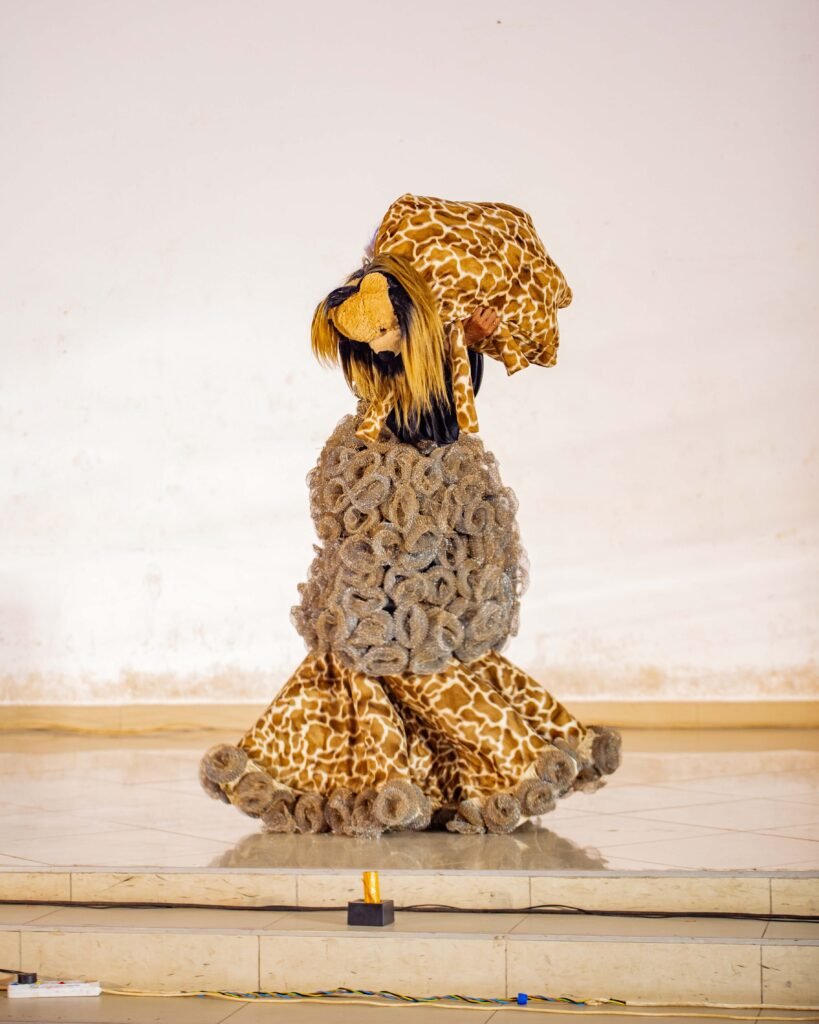
Kumasi-based fashion designer Emmanuel Boateng has questioned the government’s approach to awarding opportunities under its apprenticeship training programme, calling for greater consideration for established Ghanaian fashion designers who pay taxes and contribute to the national economy.
Mr Boateng expressed concern that individuals involved in government-supported apprenticeship training initiatives, whom he alleges are not fulfilling the same tax obligations as established fashion businesses, are receiving opportunities while professional designers who pay taxes are being overlooked for government contracts.
He believes the government should create more opportunities for qualified, registered and tax-paying fashion designers to benefit from contracts connected to garment production and other fashion-related projects.
Fashion Designers Feel Overlooked
According to Mr Boateng, many fashion designers in Kumasi and across Ghana have invested their resources in building businesses, training apprentices and contributing to the economy through their tax obligations.
However, he questioned why these established businesses are not receiving adequate opportunities when the government awards contracts within the fashion and garment sector.
He argued that local designers have the skills, experience, and capacity to undertake garment production contracts, but need opportunities to show what they can do.
Call for Fair Opportunities for Tax-Paying Designers
Mr Boateng is urging the government to reconsider how it distributes contracts and business opportunities under its apprenticeship and fashion-related programmes.
He believes qualified fashion designers who register their businesses and pay taxes should be given fair consideration when contracts are awarded.
He also wants the government to recognise the contribution of local fashion businesses, particularly those that create employment, train young people and support the growth of the country’s fashion industry.
Government Contracts Could Strengthen Local Businesses
The Kumasi-based designer believes that awarding suitable contracts to local fashion businesses could create significant opportunities for the industry.
Government-related garment production projects could help designers expand their workshops, purchase modern equipment, employ more workers, and provide additional apprenticeship opportunities.
Such support could also strengthen local production and ensure that more public spending creates opportunities within Ghana’s fashion and garment sector.
A Call to Invest in Ghanaian Fashion Professionals
Mr Boateng’s concerns raise questions about how government programmes can balance apprenticeship training with opportunities for established businesses.
Supporting apprentices is important for skills development, but creating fair opportunities for qualified local businesses could also help graduates and experienced professionals build sustainable careers.
He is urging the government to recognise tax-paying fashion designers and give them a fair chance to compete for contracts that match their skills and business capacity.
Have Your Say
Should qualified, registered and tax-paying fashion designers receive more opportunities under government apprenticeship and garment production programmes?
What can be done to ensure that government contracts create opportunities for both trained apprentices and established local fashion businesses?
Share your views with Ghana Vogue Event.
Leave a Reply