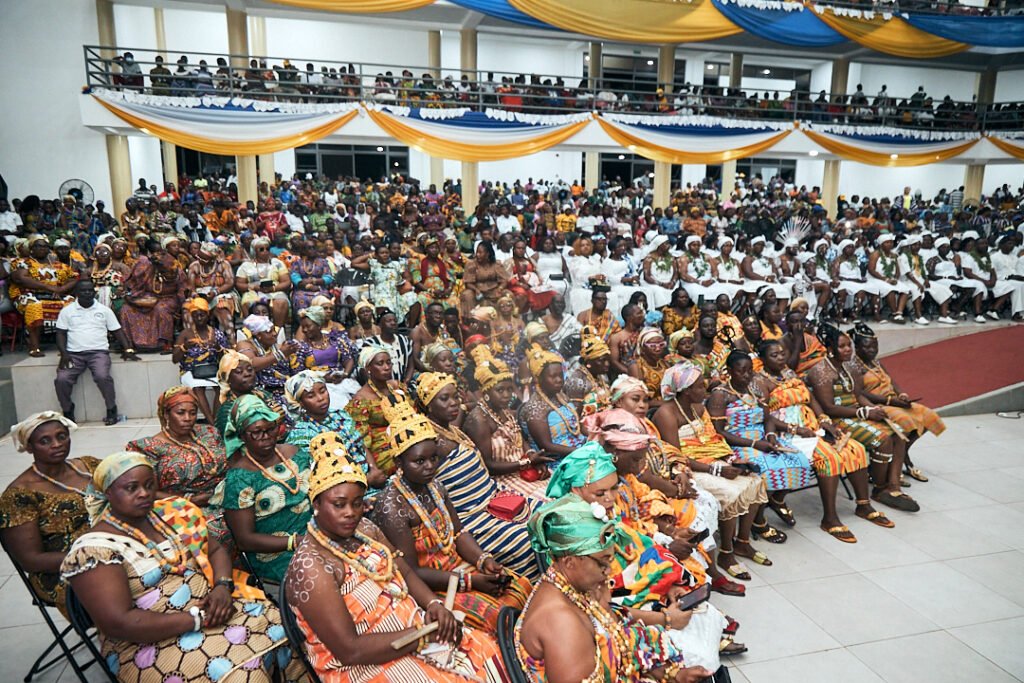
Mr. Abdul Aziz Ali, Greater Accra Regional Chairman of the Ghana National Tailors and Dressmakers Association (GNTDA), is calling on the government to give trade associations a stronger role in the implementation of Ghana’s National Apprenticeship Programme.
Mr. Ali is appealing directly to the President and the government to involve established trade associations in the training of apprentices, arguing that the associations already have experienced practitioners, master craft persons and networks of members across the country.
His comments come at a time when Ghana is expanding its National Apprenticeship Programme, which provides technical, vocational and entrepreneurial training to young people. The programme includes fashion and textile trades among its areas of focus and combines classroom instruction with practical workplace training.
Abdul Aziz Ali Wants Associations Involved
According to Mr. Ali, trade associations should not be left out of national apprenticeship initiatives because they represent the professionals who have been working and training people within their respective industries for many years.
He is calling for government to create stronger collaboration with associations such as the Ghana National Tailors and Dressmakers Association so that their existing structures and experience can contribute to the training of apprentices.
The GNTDA Greater Accra Region says its work includes training and capacity building for members and apprentices, promoting professional standards and quality workmanship, and advocating for members’ interests with government and other stakeholders.

A Call for Government and Associations to Work Together
Mr. Ali’s position is that government and trade associations can achieve more by working together.
He believes the associations have established networks of practitioners who understand the realities of their industries and can provide practical training to young people.
Rather than operating separately, he wants government-supported apprenticeship programmes to work more closely with the existing association structures.
His appeal is particularly relevant to fashion because tailoring and dressmaking rely heavily on practical, hands-on training. Apprentices need to learn not only classroom concepts but also how to work with customers, use equipment, produce garments and operate within real workshop environments.
Associations Already Have Industry Networks
One of Mr. Ali’s key arguments is that trade associations already have members across different parts of Ghana.
The GNTDA’s regional and zonal structures provide an existing network through which experienced practitioners can participate in training and skills development.
The association’s Greater Accra platform identifies training and capacity building, professional standards and partnerships as part of its work.
Mr. Ali believes these structures should be considered when government develops and implements apprenticeship training programmes.
The National Apprenticeship Programme
Ghana’s National Apprenticeship Programme was launched to provide young people with practical and employable skills and to support pathways into employment and self-employment.
The National Youth Authority states that the programme combines 30% structured classroom instruction with 70% hands-on workplace learning under qualified trainers and master craft persons. Fashion and textile trades are among the programme’s priority areas.
Government has also been providing equipment and start-up support to beneficiaries. In February 2026, for example, the National Youth Authority reported that the first batch of Greater Accra beneficiaries received equipment to support their skills training.
Against this background, Mr. Ali is asking for greater involvement of the established industry associations in the implementation of the programme.
What Trade Associations Could Bring
Mr. Ali argues that associations can contribute practical industry knowledge to apprenticeship training.
For the fashion sector, experienced association members can potentially contribute knowledge in areas such as:
- Tailoring and dressmaking techniques
- Garment construction
- Fashion business practices
- Customer relations
- Professional standards
- Workshop management
- Entrepreneurship
- Industry expectations
- Practical skills development
Ghana’s National Apprenticeship Policy also recognizes specific roles for trade associations, including technical skills and skills upgrading, competency-based training and understanding the role of trade associations within apprenticeship programmes.
Building a Stronger Partnership
Mr. Ali’s appeal is ultimately for stronger cooperation between government and the organizations representing Ghana’s skilled trades.
He believes associations should be treated as important partners in the national effort to develop young people’s technical and vocational skills.
For the fashion industry, such cooperation could create opportunities for experienced tailors, dressmakers and fashion professionals to contribute to the development of the next generation.
The proposal also raises broader questions about how government programmes can make use of existing industry structures while maintaining appropriate standards, supervision and accountability.
A Message to Government
Mr. Abdul Aziz Ali is therefore calling on the government to engage the associations and explore ways of formally incorporating their expertise into the National Apprenticeship Programme.
His appeal is that the people already working within Ghana’s various trades should have an opportunity to contribute their experience to national skills development.
For the fashion industry, he believes closer cooperation could strengthen apprenticeship training and give young learners greater exposure to experienced professionals within the trade.
Ghana Vogue Event
Ghana Vogue Event continues to report on issues affecting Ghana’s fashion industry, including apprenticeship training, professional development, industry standards and opportunities for young people.
Mr. Abdul Aziz Ali’s call for stronger participation by trade associations adds to the ongoing conversation about how Ghana can develop its apprenticeship system.
As the National Apprenticeship Programme expands, the question of how government agencies, master craft persons, training providers and established trade associations can work together will remain important to the development of Ghana’s skilled workforce.
Leave a Reply